How to choose the right frame: sizes, mounts and common mistakes
5 min read
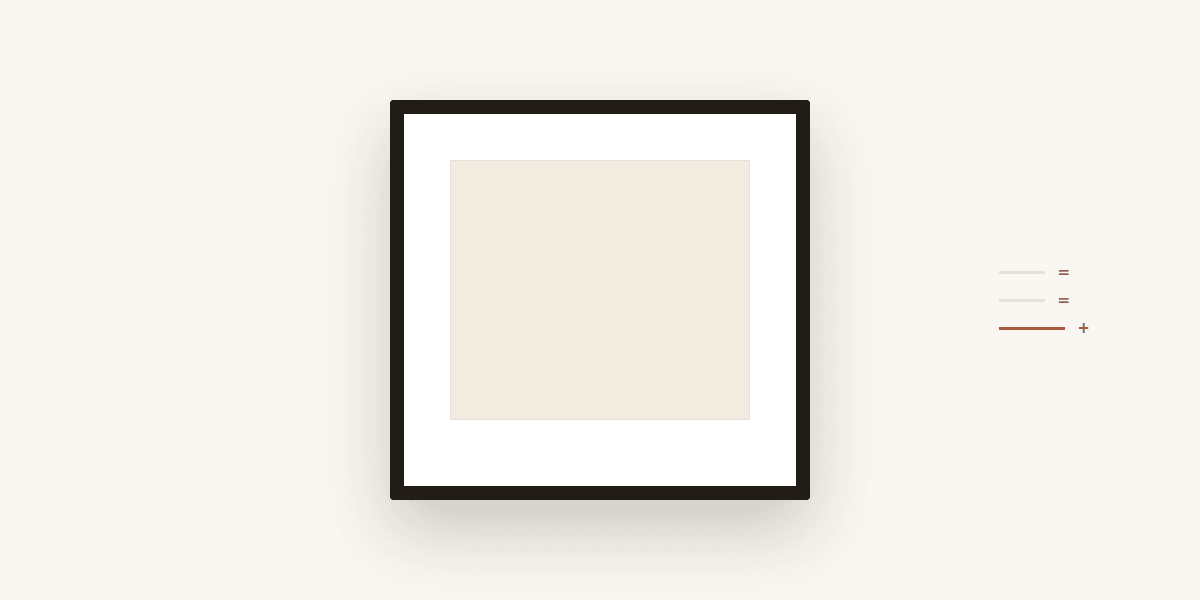
A frame is not there to be noticed. It is there to stop the eye at the edge of the photograph, so the gaze stays inside it. Everything below follows from that.
1. Size: the frame follows the photo, not the reverse
The common photographic formats in Romania are 9×13, 10×15, 13×18, 20×30 and 30×45 cm. A frame bought by eye almost always ends in a cropped photo or uneven margins. Measure the print first, or tell us the size and we will match the frame.
2. The mount: the space that lets a photograph breathe
The mount is the cut card between photograph and frame. It does two things: it creates a visual pause so the frame does not squeeze the image, and it holds the glass off the surface of the print — which matters, because a photo pressed against glass can stick to it over time, especially in humid rooms.
The classic convention is for the bottom margin to be slightly wider than the other three. The reason is optical: with equal margins the eye reads the bottom as narrower and the image seems to slide downwards.
3. Colour and width
- Black and white photographs: black, white or silver frames with a narrow profile. Warm wood with strong grain competes with the image.
- Family portraits and old photographs: silver-plated frames or warm wood tones, which sit well with a sepia cast.
- Saturated colour photographs: plain, neutral frames. Colour in the frame drains colour from the image.
- A busy wall with many frames: keep one frame type throughout. Uniform framing is what turns a group of photos into a composition.
Where to hang it
The museum convention puts the centre of the image about 145–150 cm from the floor, at the eye level of a standing adult. Above a sofa or a console the frame comes down: leave 15–25 cm between the furniture and the bottom of the frame so the two read as one arrangement.
Keep frames out of direct sunlight. It is the fastest way to fade a print, however well it was made.
The frames we stock, with their sizes and prices, are in the shop. Photo frames →
If you would rather have the photograph without a frame, stretched and ready to hang: Canvas prints →